September 9, 2026
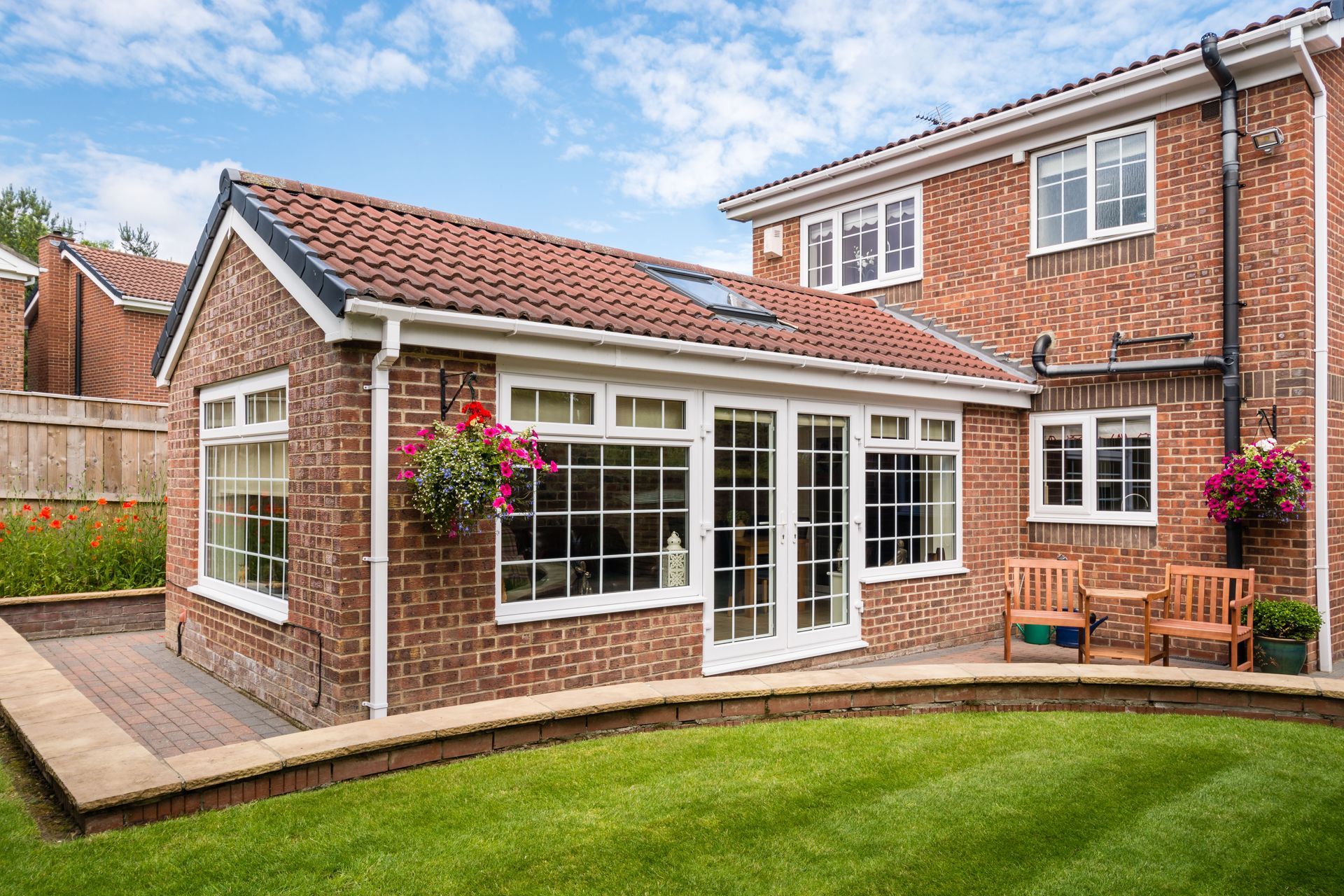
Transforming an underutilized backyard into an inviting outdoor living sanctuary requires careful planning, creative vision, and durable material selections. Among the vast array of hardscaping choices, classic clay and concrete pavers remain timeless favorites for homeowners seeking to elevate their outdoor living environments. A thoughtfully planned outdoor living space serves as a seamless extension of your home's interior, providing a charming setting for morning coffee, family dining, weekend relaxation, and seasonal entertainment. Clay pavers bring rich color depth, natural warmth, and exceptional structural longevity to any landscape design. According to LawnStarter, homes with landscaping typically sell for 5% to 12% more than comparable properties without it. Investing in permanent hardscaping features enhances immediate quality of life while significantly boosting long-term property value and curb appeal. Designing an enduring outdoor space demands attention to foundational preparation, spatial proportions, material patterns, site drainage, lighting, and surrounding greenery. Mastering essential design principles ensures that your custom outdoor living area remains structurally sound, visually captivating, and functional across every season of the year.
Evaluating Site Dimensions and Spatial Requirements
Designing a successful outdoor living space begins with a thorough evaluation of your yard's natural topography, sun orientation, and existing architectural boundaries. Before laying a single paver, homeowners must analyze how different areas of the yard receive sunlight, shade, wind currents, and natural rainwater runoff throughout the day. Proper spatial planning considers intended usage, ensuring adequate clearance for patio furniture, outdoor dining sets, fire features, and cooking grills. When planning a custom brick patio, establishing distinct functional zones creates a harmonious flow between dining, cooking, and lounging areas. Maintaining generous traffic pathways allows guests to move comfortably across the space without feeling cramped or restricted. Furthermore, evaluating proximity to kitchen entryways simplifies outdoor dining logistics and encourages frequent daily use. Careful site evaluation prevents spatial bottlenecks, integrates hardscaping elements smoothly into existing topography, and lays the groundwork for a balanced outdoor environment.
Choosing Captivating Laying Patterns and Aesthetic Styles
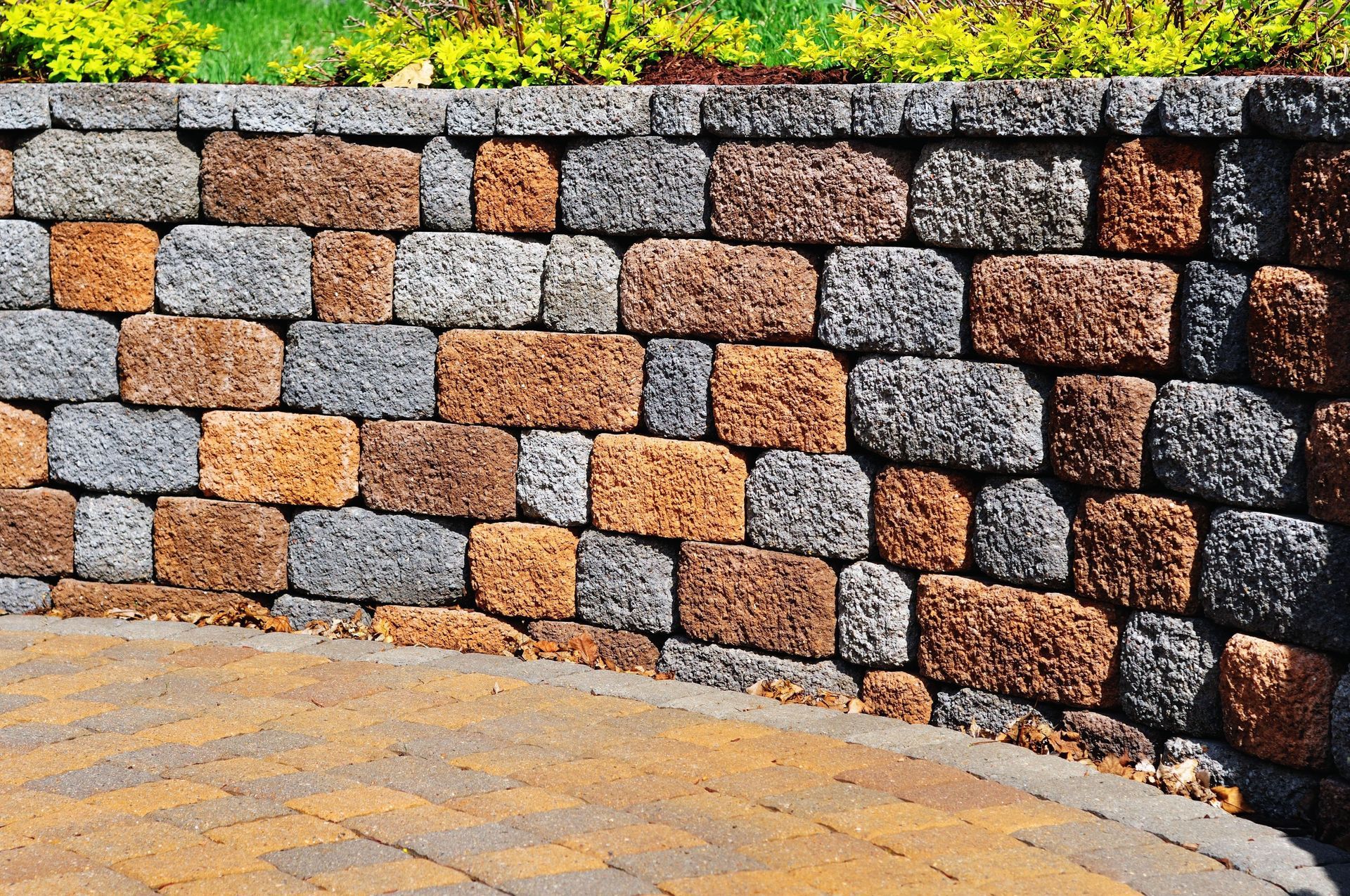
The arrangement of individual pavers defines the visual character, texture, and structural stability of your entire outdoor living surface. Classic bond arrangements, such as running bond, basketweave, and herringbone patterns, offer distinct aesthetic feels ranging from traditional colonial charm to modern geometric elegance. Running bond patterns create long sightlines that visually expand narrow yards, while basketweave designs introduce intricate historic texture ideal for garden retreats. Interlocking herringbone layouts offer exceptional structural strength, making them ideal for areas expecting heavy outdoor furniture or frequent foot traffic. When selecting colors for your brick patio, matching or subtly contrasting paver tones with your home's exterior siding, foundation trim, or roofline establishes visual harmony. Incorporating contrasting paver borders or decorative central medallions frames functional areas, adding custom artistic flair to the landscape. Selecting appropriate patterns and color palettes elevates simple hardscaping into a captivating visual centerpiece.
Preparing Stable Foundations and Subgrade Base Layers
Long-term structural success depends entirely on subterranean preparation that remains invisible after project completion. Skipping thorough excavation, soil compaction, or proper aggregate base installation leads to uneven settling, paver shifting, and surface buckling over time. Creating a resilient foundation requires excavating organic topsoil down to stable subsoil layers, followed by adding compacted crushed stone aggregate. Installing geotextile fabric between raw earth and aggregate bases prevents soil migration while enhancing overall load distribution. Layering fine bedding sand over compacted aggregate provides a smooth, level setting bed for individual pavers. A properly constructed subgrade foundation absorbs freeze-thaw cycles, supports heavy furniture without sagging, and prevents unsightly surface depressions. Investing time and effort into foundational preparation guarantees that your hardscaping investment maintains its structural integrity and flawless appearance across decades of continuous exposure to environmental elements.
Implementing Effective Slope Angles and Drainage Systems
Uncontrolled standing water represents one of the most destructive forces facing outdoor hardscaping, leading to subgrade erosion, joint sand loss, and structural shifting. Incorporating proper surface slopes during base installation ensures that rainwater flows safely away from home foundations, basements, and surrounding outdoor living structures. A well-designed brick patio requires a subtle slope pitch that directs runoff toward designated lawn drainage channels or subterranean catch basins. Integrating discreet channel drains, French drains, or permeable joint gravel prevents water pooling in high-traffic zones during heavy downpours. Proper moisture management also prevents moss growth, algal accumulation, and surface slipperiness, preserving safe walking conditions during rainy seasons. Addressing drainage dynamics during initial design stages protects structural base layers from water saturation, safeguarding surrounding plant beds and keeping your outdoor surface clean, dry, and safe year-round.
Incorporating Perimeter Edging and Polymeric Joint Sand
Securing the outer boundaries of your hardscaping installation prevents lateral paver movement, edge spreading, and structural degradation over time. Installing heavy-duty plastic, aluminum, or concrete edge restraints along all exposed borders locks pavers tightly in place, preserving crisp geometric lines across the entire surface. Following edge restraint installation, sweeping high-performance polymeric sand into paver joints locks individual units together through activated binding polymers. Polymeric joint sand hardens upon hydration, creating a flexible yet durable seal that resists erosion from rain and wind. Furthermore, polymeric sand prevents weed germination, ant infestations, and joint washout, drastically reducing ongoing maintenance requirements. Securing edges and jointing materials completes the structural matrix of your brick patio, ensuring that individual units remain locked together against heavy foot traffic, thermal expansion, and severe seasonal weather shifts.
Integrating Surrounding Greenery and Functional Outdoor Lighting
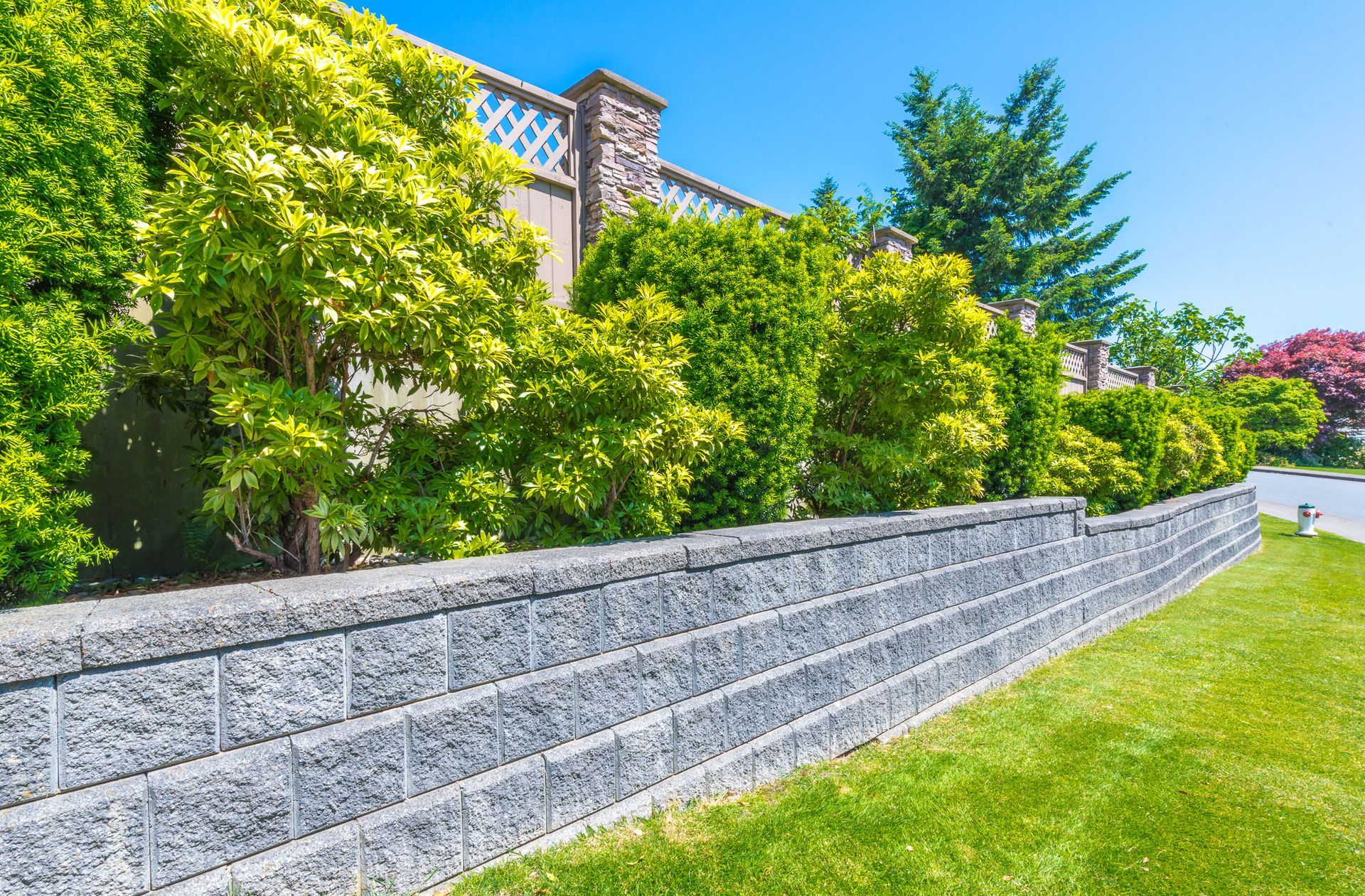
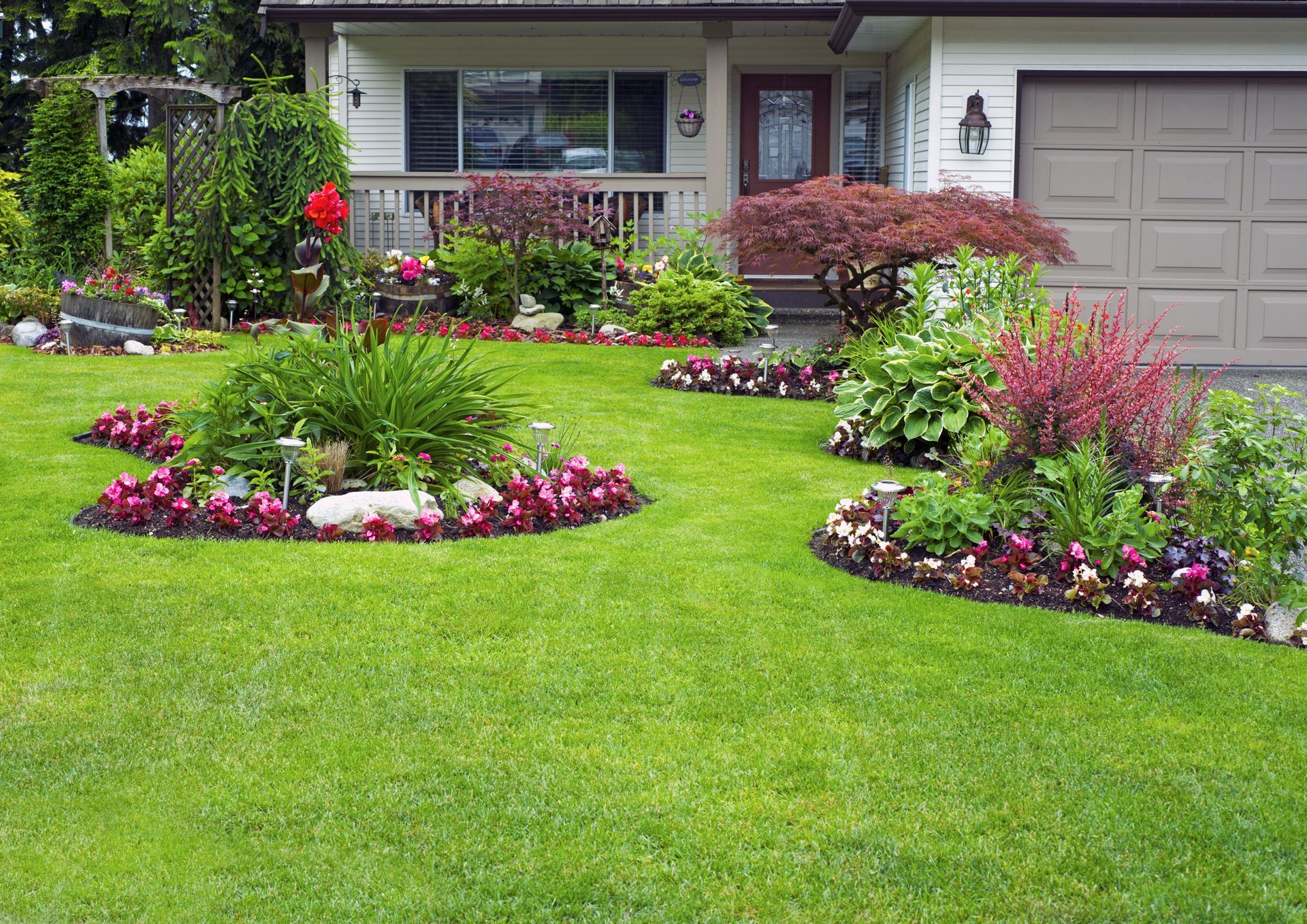
Harmonizing hardscaping surfaces with surrounding natural landscape elements creates an inviting, multi-dimensional outdoor environment. Framing paver surfaces with raised garden beds, flowering shrub borders, and climbing vines softens hard structural edges, creating a lush garden retreat atmosphere. Selecting low-maintenance perennial plants, ornamental grasses, and evergreen shrubs ensures year-round visual interest around outdoor living spaces. Furthermore, integrating low-voltage landscape lighting extends usability into evening hours while enhancing site safety and security. Recessed step lights, subtle perimeter uplighting, and warm garden path fixtures illuminate elevation changes, highlight architectural features, and create a cozy evening ambiance. Combining vibrant plant compositions with warm, strategic lighting converts a simple brick patio into a captivating, multi-sensory outdoor destination for family and guests.
Designing a custom outdoor living space requires careful attention to site orientation, spatial dimensions, structural pattern selection, subterranean base preparation, moisture drainage, and surrounding landscape integration. Prioritizing proper excavation, aggregate compaction, slope angling, and joint sand application guarantees that your hardscaping investment stands resilient against climate shifts and daily wear. Thoughtful design choices transform ordinary yards into extraordinary outdoor sanctuaries that enrich daily living and raise property value.
At Nystrom's Inc, our dedicated team brings extensive hardscaping expertise, premium craftsmanship, and an unwavering commitment to excellence on every project we undertake, ensuring your outdoor living space remains beautiful, structurally sound, and inviting across every season. We take immense pride in guiding homeowners through every step of the creative journey, from initial spatial planning and excavation to final paver placement and lighting integration. Our experienced specialists understand how regional climate patterns, subterranean soil conditions, and custom drainage requirements impact long-term hardscaping durability. By pairing time-tested installation techniques with high-grade, resilient materials, we craft outdoor environments tailored to your family's lifestyle.
Whether you envision an intimate garden nook, an expansive entertaining space, or a seamless transition between your home and lawn, we deliver meticulous execution and personalized care. Contact us today to schedule your personalized landscape design consultation and discover how expert hardscaping transforms your property into a lasting outdoor haven.