August 27, 2026
Landscaping retaining walls offer a powerful combination of structural utility and visual beauty for residential and commercial properties alike. Property owners often contend with sloping terrain, rainwater washouts, and underutilized lawn space that restricts outdoor activities. Installing custom hardscape features resolves these persistent land management challenges while introducing structured pathways, terraced garden plots, and clean physical boundaries. By holding back mass quantities of earth, these structures protect building foundations, elevate curb appeal, and turn once awkward hillsides into inviting environments for outdoor living. Beyond their sheer functional purpose, modern architectural masonry techniques allow these custom installations to blend seamlessly into any existing layout or regional flora. Investing in professionally engineered barriers ensures long-term ground stability, safeguards valuable outdoor assets, and maximizes the overall functionality of outdoor spaces.
1. Superior Structural Support
The primary purpose of installing landscaping retaining walls revolves around providing robust structural support against natural gravity and constant water flow. Sloped yards are inherently vulnerable to movement, especially after prolonged rainfall or seasonal snowmelt that heavily saturates the earth. When soil becomes laden with excess moisture, its weight increases exponentially, placing tremendous downward pressure on downhill structures and open lawn areas. According to This Old House, a four-foot-high, 15-foot-long retaining wall can hold as much as 20 tons of saturated soil. Having a solid barrier prevents massive earthen shifts, keeping foundations, walkways, and lawns completely stable over time. Professional design and construction ensure that these barriers withstand heavy hydrostatic pressure year after year without shifting or cracking, preserving the physical integrity of your entire property.
2. Effective Erosion Control
Soil erosion presents a constant threat to landscapes featuring severe slopes or exposed earth. Unmanaged rain runoff easily strips away fertile topsoil, leaving behind ugly gullies, exposed tree roots, and severely compromised ground stability. By incorporating landscaping retaining walls into steep grades, property owners effectively break up long, continuous slopes into manageable, flat tiers. This step-like structural layout drastically reduces the velocity of surface water runoff, allowing moisture to soak gradually into the ground rather than tearing away earth. Preserving valuable topsoil keeps surrounding plants healthy, prevents unsightly lawn washouts, and stops heavy mud from spilling over nearby driveways, walkways, and patio spaces during violent storms.
3. Maximum Usable Outdoor Space
Steep inclines and uneven terrain significantly limit how much of a property can be actively enjoyed by residents and guests. Installing landscaping retaining walls transforms sharp slopes into flat, level terraced segments that open up vast amounts of functional land. Homeowners can convert previously unusable hills into lush garden beds, expanded lawn areas, designated seating zones, or custom outdoor kitchens. Terracing maximizes the overall footprint of a yard, allowing family members to move around safely and comfortably. Creating flat ground also makes routine yard maintenance far safer and easier, eliminating the hazard of operating heavy lawn mowers and power equipment on steep, slick inclines.
4. Enhanced Visual and Architectural Appeal
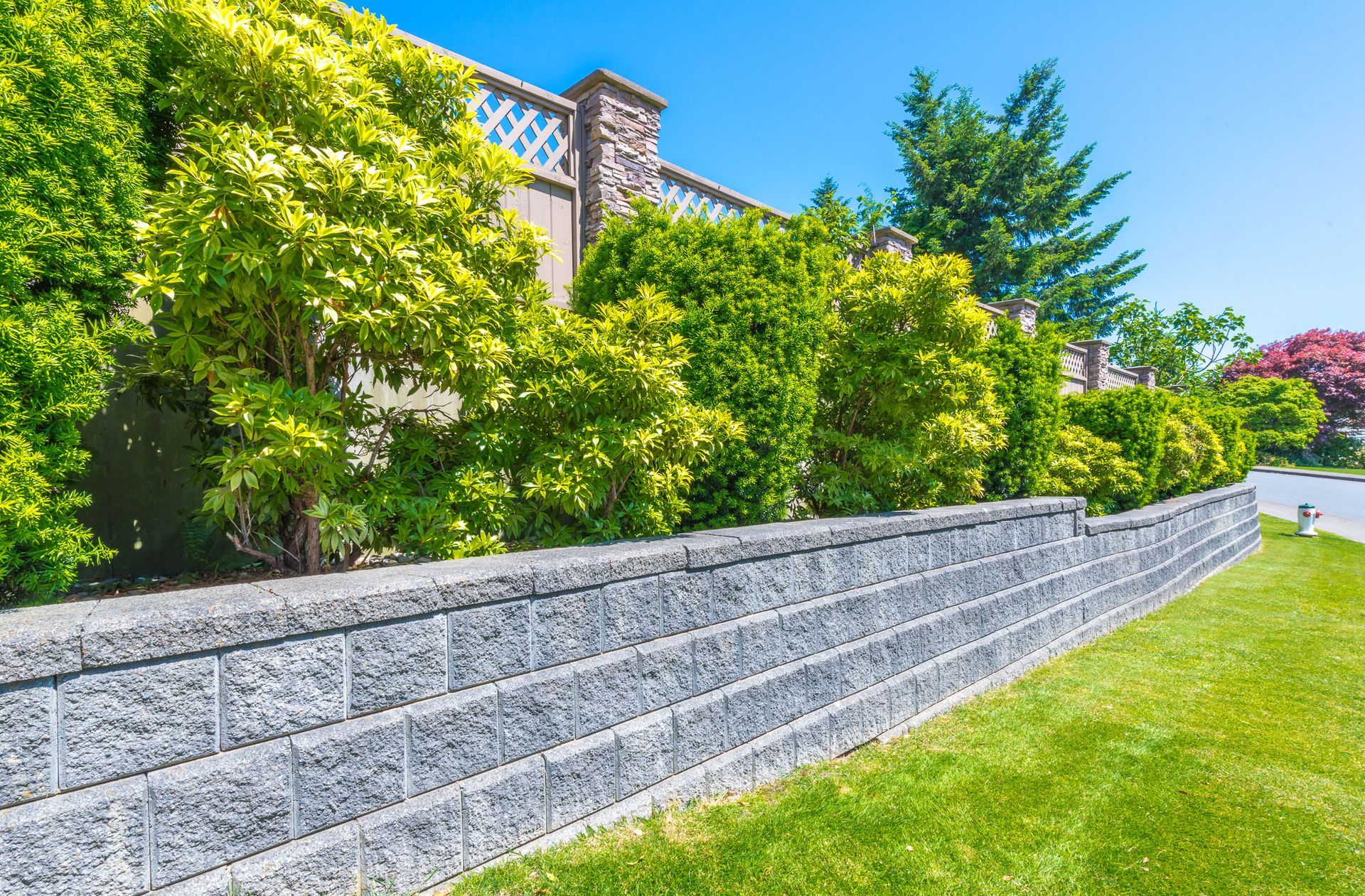
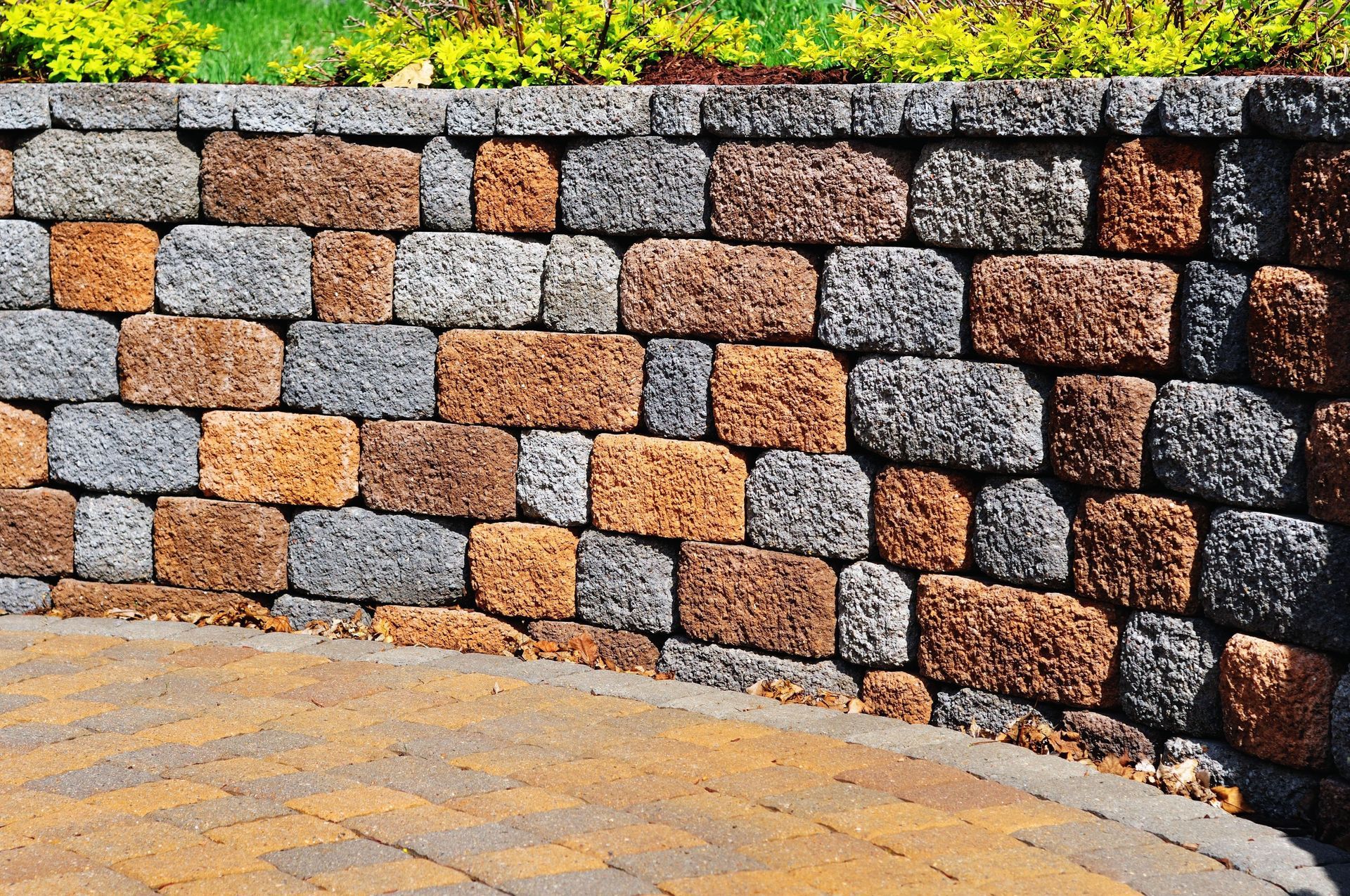
Beyond structural ground management, landscaping retaining walls add impressive depth, architectural detail, and visual richness to any property layout. These features act as bold design elements that break up flat, monotone lawns by adding clean geometric lines and multi-dimensional height. Property owners can choose from a vast variety of building materials, including natural stacked stone, classic brick, textured concrete blocks, and smooth masonry surfaces. Matching the texture and color palette of the installation to the main home creates a polished, cohesive exterior look. Defining specific outdoor areas with custom stonework creates a crisp, manicured appearance that elevates the overall visual profile of the residence.
5. Advanced Flood and Runoff Management
Uncontrolled water flow across a property causes extensive damage to turf, flower beds, and nearby building foundations over time. Incorporating landscaping retaining walls into a comprehensive drainage strategy helps direct heavy rainwater away from high-priority areas. Engineered walls include built-in drainage mechanisms, such as weeping holes, gravel backfill, and buried perforated pipes, to channel subsurface water safely away. Proper water redirection prevents pooling around basement walls, reduces standing water in low-lying lawn zones, and minimizes toxic runoff entering local waterways. Managing heavy water accumulation effectively shields outer structures and long-term landscape investments from severe water-related degradation.
6. Noticeable Increase in Property Value
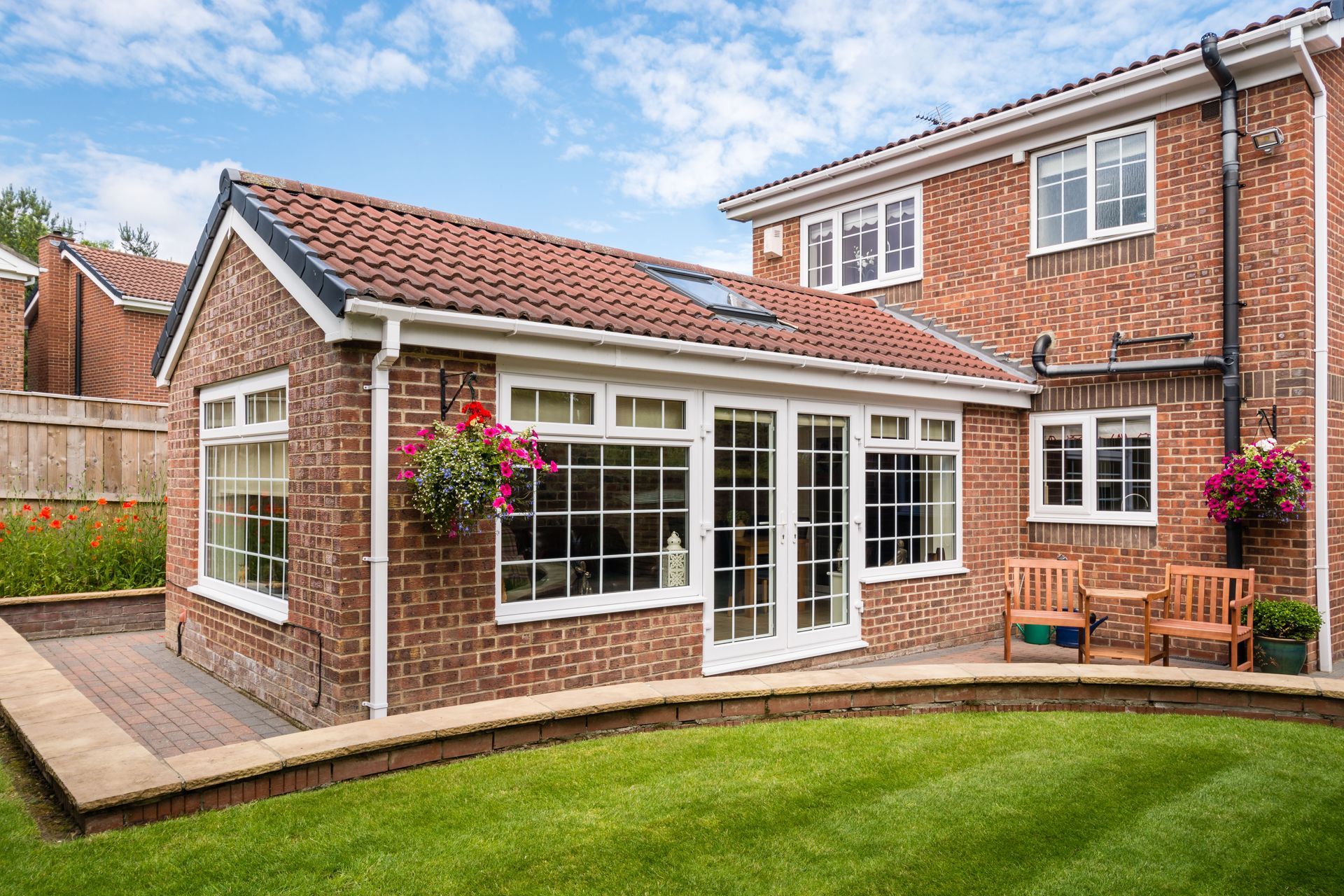
High-quality exterior upgrades offer strong financial returns by increasing the overall marketability and physical value of a residential property. Landscaping retaining walls serve as long-lasting structural improvements that signal meticulous care and ground integrity to prospective buyers. Homes featuring fully functional, terraced yards and well-maintained hardscaping stand out clearly in competitive real estate listings. Buyers appreciate properties where major ground stabilization and drainage work have already been completed by experienced hands. The combination of expanded usable outdoor living space, reduced erosion risk, and striking curb appeal makes this structural addition a solid financial decision for the future.
7. Clearly Defined Landscaping Zones
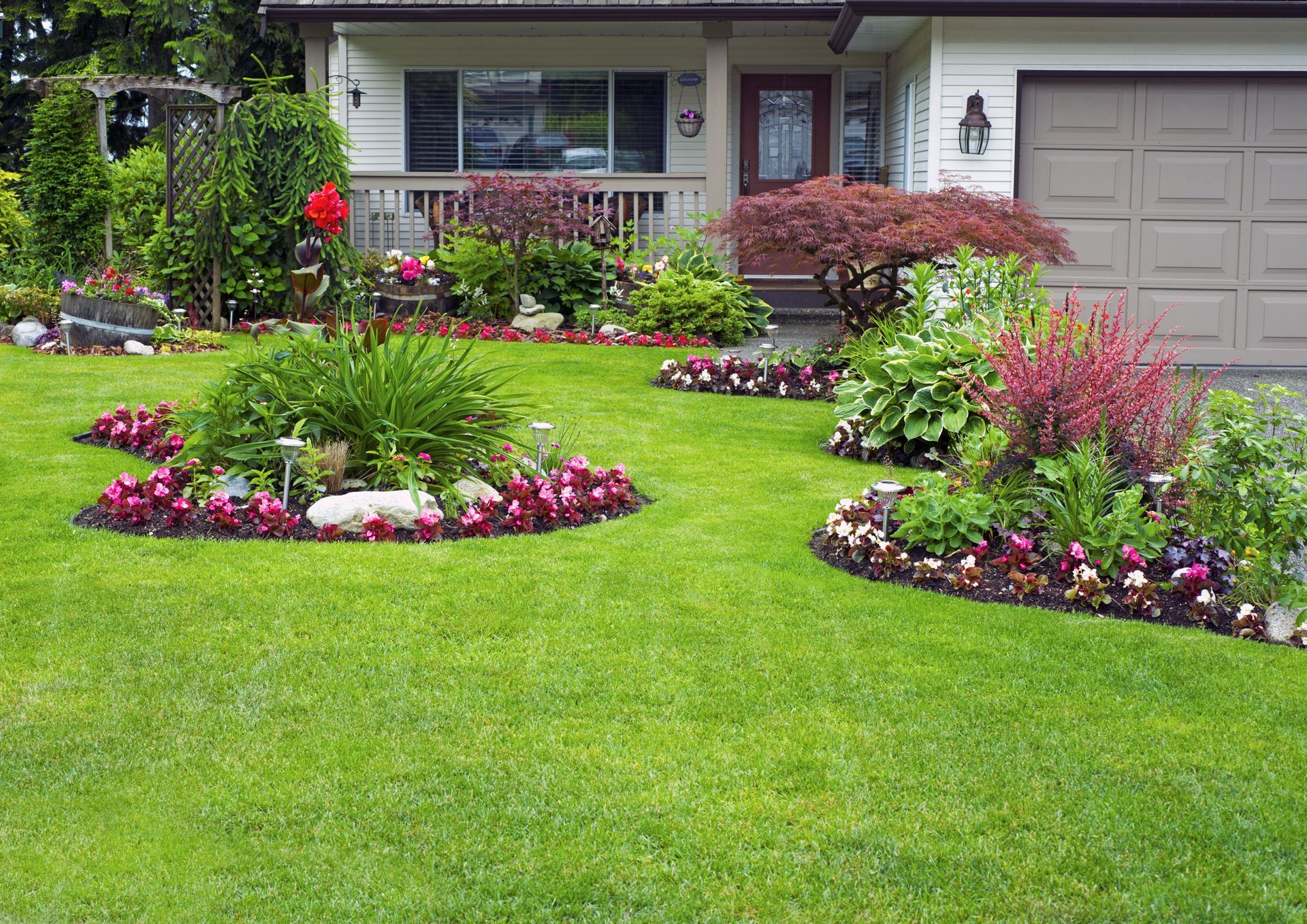
Organizing outdoor space into distinct functional zones creates an orderly, harmonious environment around the home. Utilizing landscaping retaining walls provides clear physical separation between contrasting outdoor elements, such as flower gardens, open lawn areas, pathways, and entertaining patios. These structural boundaries keep mulch, soil, and decorative gravel neatly contained within designated beds rather than spilling into turf grass after heavy rainstorms. Clean borders make seasonal trimming and edging effortless while giving the entire yard a well-plotted, professionally designed feel. Clearly defined zones allow different areas of the yard to serve unique purposes without cluttering the visual layout.
8. Diverse Terraced Gardening Opportunities
Avid gardeners frequently struggle with planting on steep slopes due to rapid water runoff, root exposure, and difficulty working on an incline. Building multi-tiered landscaping retaining walls creates flat, easily accessible planting beds that are ideal for cultivating diverse plant species. Each distinct terrace level can feature tailored soil conditions, targeted irrigation setups, or varying sun exposure levels to suit different flowers, shrubs, or edible crops. Terraced gardens turn simple hillsides into vibrant vertical displays of color and foliage. Accessing elevated beds eliminates uncomfortable bending and kneeling, making routine weeding, pruning, and harvesting significantly more pleasant for gardeners of all ages.
9. Comprehensive Property Protection and Safety
Unstable slopes pose serious safety hazards to family members, visitors, and nearby structural assets. Earthen slides, falling rock debris, and collapsing soil banks can cause sudden injuries or damage outdoor structures, fences, and parked vehicles. Custom landscaping retaining walls physically secure loose earth, preventing unexpected ground failures during extreme weather events or seasonal freeze-thaw cycles. Installing sturdy masonry barriers along elevated walkways or patios also provides physical barriers that keep foot traffic safely on designated paths. Ensuring ground stability across every section of the yard creates a secure environment for everyday recreation and outdoor living.
10. Low-Maintenance Exterior Solutions
Choosing durable materials for landscape features minimizes the time and effort required for ongoing exterior maintenance. Quality landscaping retaining walls constructed from natural stone, interlocking pavers, or structural concrete withstand harsh weather conditions without decaying, rotting, or requiring frequent repairs. Unlike timber borders that warp and decompose over time, solid stone installations maintain structural integrity and color vibrancy for decades. Once built, these heavy barriers eliminate ongoing battles with soil drift, lawn washouts, and slope maintenance. Investing in permanent hardscape solutions delivers enduring performance, allowing property owners to enjoy beautiful outdoor spaces without constant heavy labor.
Integrating structured barriers into an exterior design delivers an unbeatable combination of terrain stabilization, expanded functional space, efficient drainage control, and elevated curb appeal. From managing severe water runoff to transforming steep slopes into breathtaking terraced gardens, these structural additions solve fundamental land challenges while enhancing everyday outdoor enjoyment. Ensuring proper ground support safeguards foundations, protects topsoil, and creates clear organizational boundaries throughout the yard. To transform sloped terrain into a safe, functional, and visually striking outdoor environment, contact Nystrom's Inc today to schedule a consultation for your next property upgrade.