January 5, 2026
Erosion is one of the silent threats to homeowners, gradually wearing away the land around your property without much warning. While it may start as a minor issue, over time, erosion can compromise the stability of your yard, damage landscaping, and even threaten the foundation of your home. Rain, wind, and other natural forces constantly move soil and sediment, particularly in areas with slopes or heavy rainfall. Without proper intervention, erosion can turn a beautiful yard into a maintenance nightmare, and repairing its effects can be costly.
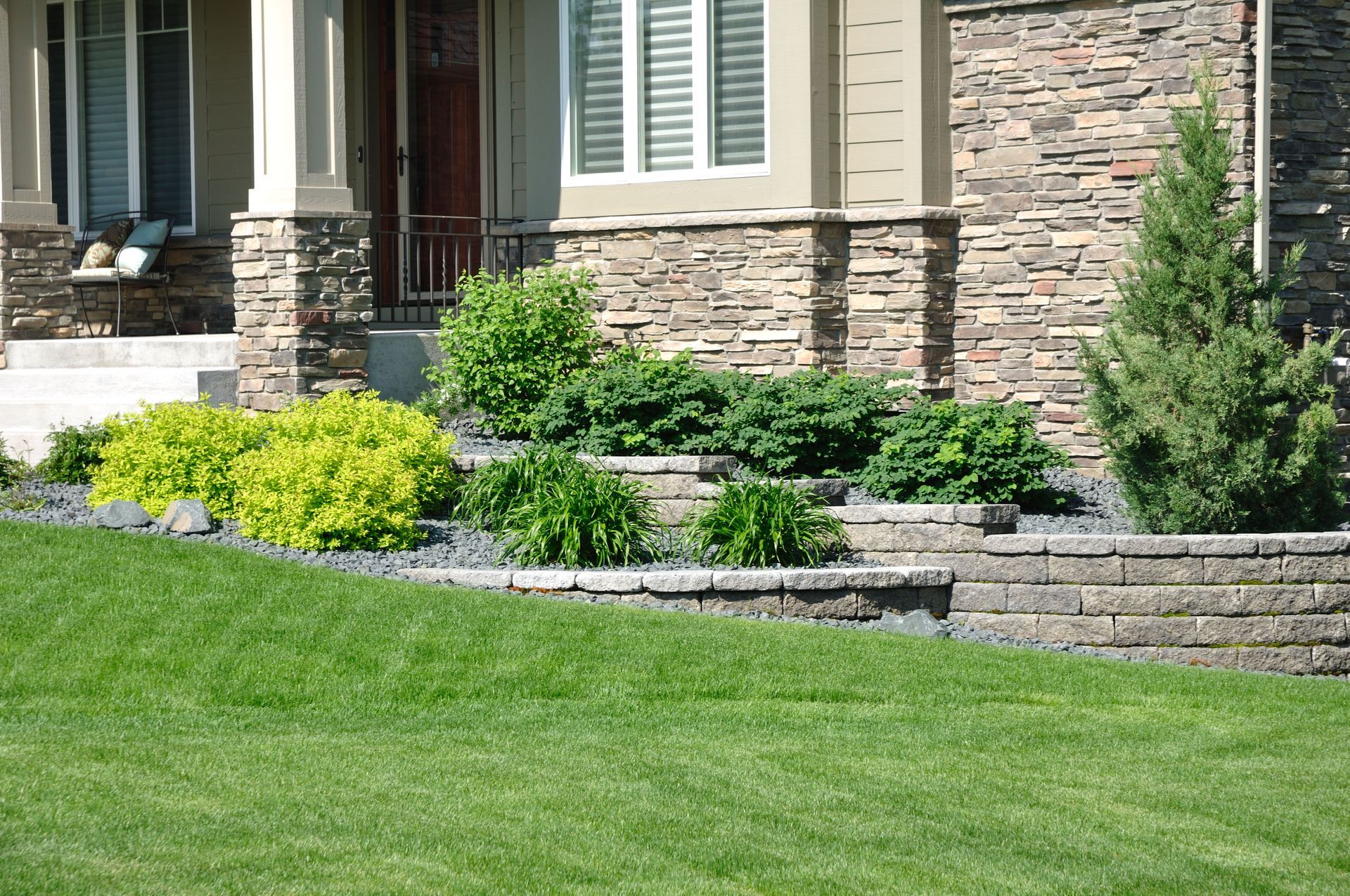
One of the most effective solutions to prevent soil erosion is the installation of retaining walls. These structures not only provide practical benefits but also enhance the visual appeal of your property. By creating physical barriers that hold soil in place, these walls help protect your home from the long-term consequences of erosion. Beyond their functional advantages, structural walls can also add value to your home, making them a smart investment for both protection and aesthetics.
The Function and Structure of Retaining Walls
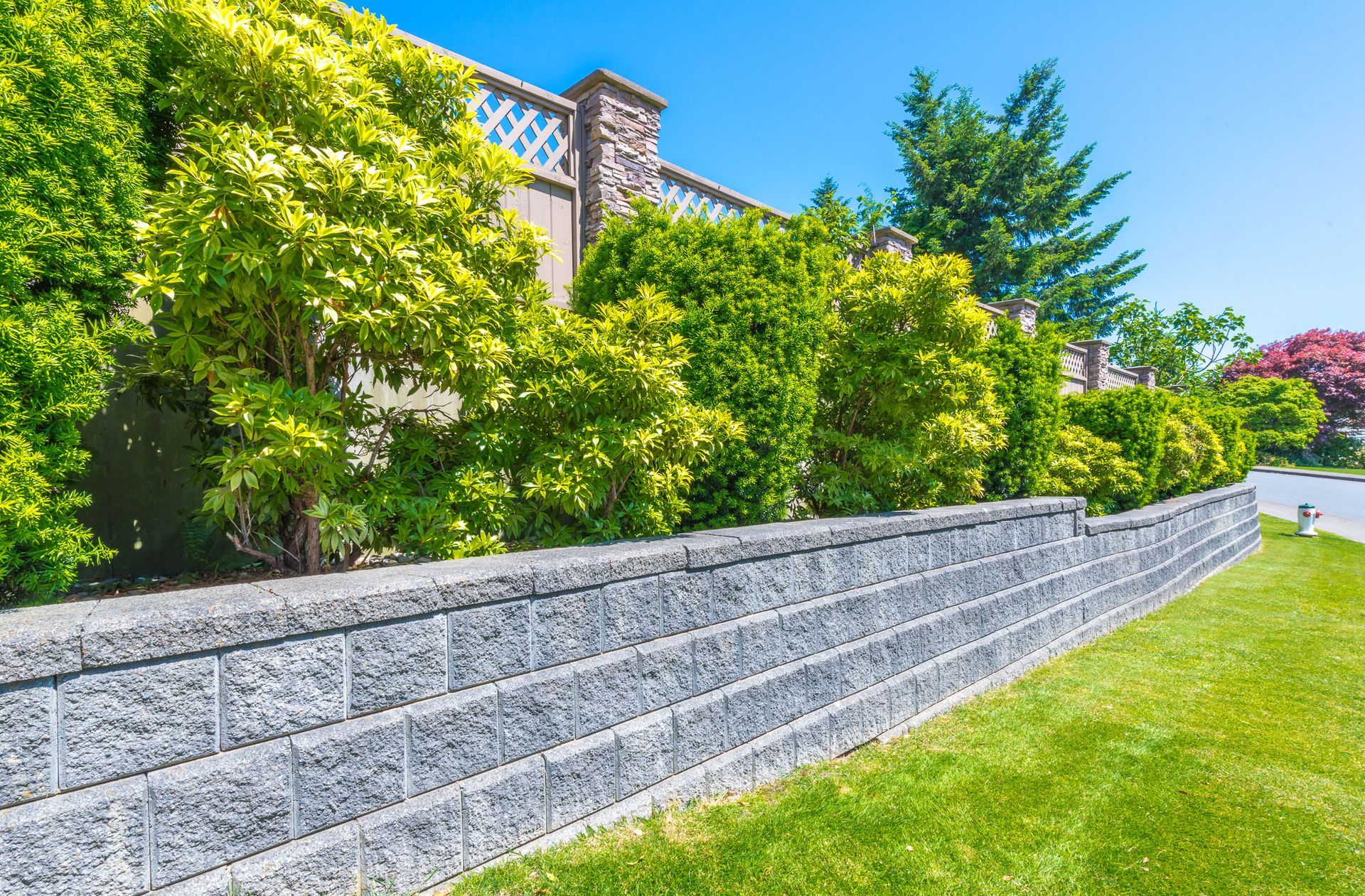
These walls are engineered structures designed to hold back soil and prevent it from shifting or eroding. They're commonly used on sloped landscapes where the natural movement of soil could lead to instability or water runoff issues. Structural walls come in a variety of materials, allowing homeowners to choose a style that complements their property.
The primary purpose of a retaining wall is to provide stability. When soil is left unchecked on a slope, it can gradually slide downhill, causing damage to gardens, driveways, and even the foundations of homes. These walls act as a barrier, holding the soil in place and redistributing the pressure exerted by the earth behind them. This controlled support not only prevents erosion but also allows homeowners to make better use of sloped or uneven land for landscaping, gardening, or additional outdoor living spaces.
Another important function of structural walls is water management. During heavy rains, water naturally flows downhill, carrying soil and debris with it. A well-constructed retaining wall often includes proper drainage solutions, such as weep holes or gravel backfill, to direct water safely away from vulnerable areas. This reduces the risk of water pooling near your foundation and minimizes soil erosion.
The Erosion Control Power of Retaining Walls
Soil erosion is primarily caused by water runoff and wind, which gradually wear away the top layer of soil. Over time, this can lead to destabilized slopes, exposed roots, and even structural damage to buildings. These walls work by creating a stable barrier that stops soil from moving, effectively controlling erosion and keeping your yard intact.
By holding soil in place, structural walls prevent sediment from washing into storm drains, gardens, or neighboring properties. This is particularly important in areas with heavy rainfall or hilly terrain, where erosion can occur rapidly. A retaining wall acts as a buffer, slowing down the movement of water and redirecting it safely, which prevents the formation of gullies or uneven surfaces in your yard.
In addition to controlling water flow, retaining walls also protect plant life. When soil erodes, it can expose plant roots, making it difficult for gardens and lawns to thrive. These walls maintain the soil structure, ensuring that plants have a stable environment to grow. This not only keeps your landscaping healthy but also preserves the visual appeal of your outdoor spaces.
The Importance of Material and Design Selection
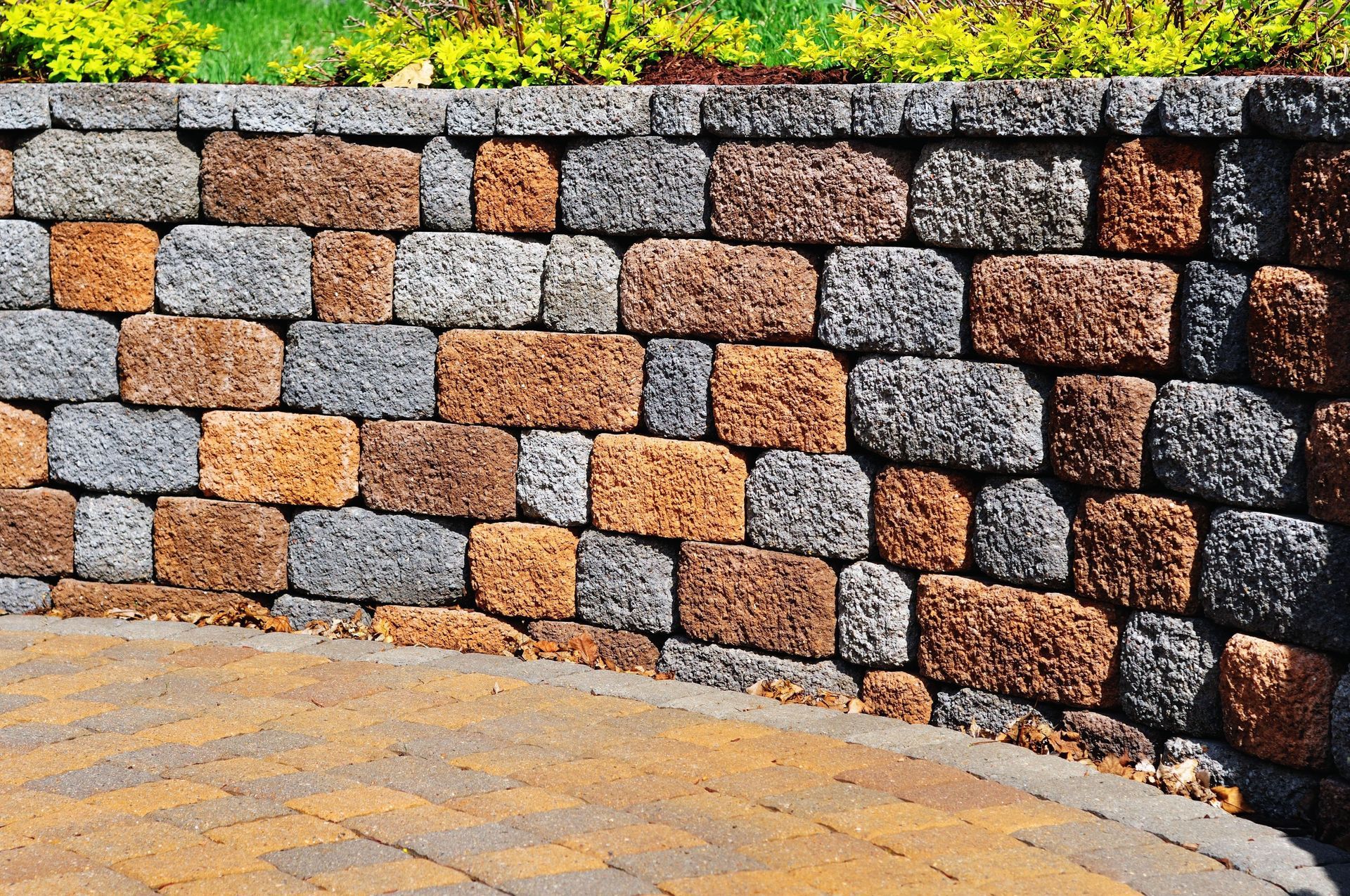
Selecting the appropriate materials and design for a retaining wall is essential to maximize its effectiveness against erosion. Stone and concrete blocks are popular for their strength and longevity, while timber may be preferred for a more natural look but may require additional maintenance over time.
Design considerations are equally important. A retaining wall must be engineered to withstand the pressure exerted by the soil behind it, which means height, thickness, and reinforcement all need careful planning. Professional installers often incorporate drainage systems within the wall to prevent water buildup, which could otherwise weaken the structure over time.
The location of your wall also matters. Placing it too close to your home without proper engineering could divert water towards the foundation rather than away from it. Working with a professional ensures that the wall not only looks appealing but also functions as intended, protecting your property from erosion while complementing your landscape.
The Added Value of Retaining Walls
While erosion prevention is the primary function of these walls, they offer several additional advantages that enhance the overall value and usability of your property. One significant benefit is improved landscaping opportunities. Retaining walls allow you to create level planting beds or terraces in otherwise uneven areas, making it easier to cultivate gardens or install patios, walkways, and other outdoor features.
Structural walls can also provide safety benefits. Slopes that are left unprotected can become hazardous during wet or icy conditions. By stabilizing these areas, walls can reduce the risk of slips, falls, and property damage. This is particularly important for families with children or pets, who may frequently access your yard.
Another often-overlooked benefit is curb appeal and property value. According to LawnStarter, retaining walls can increase a house's value by 15% and even help it sell faster. This makes them not just a preventative measure but also a strategic investment that enhances both the safety and marketability of your home.
The Essentials of Retaining Wall Maintenance
Installing a retaining wall is an investment in your home’s safety and aesthetics, but proper maintenance is crucial to ensure its long-term effectiveness. Regular inspections should be conducted to check for signs of movement, cracks, or drainage issues that could compromise the wall’s integrity. Early detection of problems allows for timely repairs, preventing minor issues from becoming major hazards.
Cleaning the wall periodically is also important, especially for stone or brick designs. Removing dirt, moss, or debris not only preserves the wall’s appearance but also prevents materials from deteriorating due to moisture buildup. If the wall includes timber elements, treating the wood with a sealant can help protect it from rot and insect damage.
It's equally important to maintain the surrounding landscape. Proper grading and drainage around the retaining wall ensure that water flows away from your property rather than pooling behind the wall. Mulching and planting vegetation in designated areas can further stabilize the soil, reducing the pressure exerted on the wall and enhancing its erosion control capabilities.
Retaining walls are more than just a landscaping feature; they are a practical and effective solution to one of the most common threats homeowners face: soil erosion. By stabilizing slopes, managing water runoff, and protecting plant life, structural walls help maintain the structural integrity of your yard and safeguard your home from potential damage.
For homeowners looking to safeguard their property, prevent erosion, and elevate their outdoor spaces, retaining walls offer an ideal solution. By combining functionality with beauty and long-term value, these structures provide peace of mind, knowing that your home and landscape are protected against the forces of nature. Whether you are planning a small garden wall or a large terraced installation, the benefits of a well-built retaining wall are undeniable, making it a wise addition to any property.
Protect your home and enhance your yard with quality retaining walls from Nystrom's Inc. Contact us today to create a durable and beautiful solution that stands the test of time.